Mesothelioma is a rare cancer caused almost exclusively by asbestos exposure. Understanding its statistics — how common it is, who it affects, how it is treated, and how it compares across states — helps patients and families contextualize their diagnosis and understand the medical and legal landscape they are navigating. The data below reflect the most current available information from the CDC, the National Cancer Institute, and peer-reviewed literature.
At The Williams Law Firm, P.C., Attorney Joseph P. Williams has been representing mesothelioma victims for more than 30 years. He has never lost a mesothelioma case. If you or a loved one has been diagnosed with mesothelioma, contact our firm through our contact form for a free consultation.
⚠ Time-Sensitive — New York Law Limits Your Window to File
Diagnosed with mesothelioma? New York’s 3-year statute of limitations runs from your diagnosis date, not your exposure date.
Over 1,000 families represented. Hundreds of millions recovered. Never lost a mesothelioma case. No fees unless we win.
Survival rates for mesothelioma vary significantly by stage, cell type, and treatment approach. The following figures reflect median survival for pleural mesothelioma by stage, based on the most recent available data:
The overall five-year survival rate for pleural mesothelioma is approximately 12 percent. Peritoneal mesothelioma patients who qualify for cytoreductive surgery with HIPEC achieve five-year survival rates above 50 percent in some series. Patients treated at dedicated mesothelioma specialist centers with multimodal therapy consistently achieve better outcomes than the median.
New York is one of the highest-exposure states in the country due to its history of shipbuilding, construction, manufacturing, and power generation industries. In a recent reporting year, approximately 160 new mesothelioma cases were diagnosed in New York State. Of those cases, approximately 110 were male and 50 female, consistent with the national gender ratio. The New York metropolitan area, including the five boroughs and the surrounding region, accounts for a disproportionate share of New York State cases due to the concentration of asbestos exposure sites in the region’s industrial and construction history.
If you or a loved one has been diagnosed with mesothelioma, understanding your legal rights is as important as understanding your medical options. The Williams Law Firm, P.C. has recovered hundreds of millions of dollars for mesothelioma victims and their families. Attorney Joseph P. Williams has never lost a mesothelioma case. Reach out through our contact form or call our New York mesothelioma attorney team for a free consultation. You pay nothing unless we win.
Approximately 3,000 new mesothelioma cases are diagnosed in the United States each year, according to the most recent available data from the Centers for Disease Control and Prevention (CDC) and the National Cancer Institute. This represents a meaningful decline from peak rates in the late 1990s and early 2000s, driven by reduced asbestos exposure following regulatory restrictions beginning in the 1970s. However, because the latency period is 20 to 50 years, diagnoses will continue occurring for decades as workers exposed during the peak asbestos era develop disease.
The overall five-year survival rate for pleural mesothelioma is approximately 12 percent. Survival varies significantly by stage, cell type, and treatment approach. Stage 1 patients have median survival of approximately 22 months; stage 4 patients have median survival of approximately 15 months. Peritoneal mesothelioma patients who qualify for CRS/HIPEC at specialized centers achieve five-year survival rates above 50 percent in some series. Patients treated with multimodal therapy at dedicated mesothelioma centers consistently achieve better outcomes than the general statistics suggest.
Mesothelioma incidence in the United States has been declining since the late 1990s, driven by the significant reduction in occupational asbestos exposure following federal regulation in the 1970s. From 1999 to 2020, the age-adjusted incidence rate dropped approximately 27 percent. However, the rate of decline has plateaued, and global mesothelioma rates remain elevated in countries that continue using asbestos. In the U.S., ongoing cases reflect exposures from decades past, and given the long latency period, new diagnoses will continue for years to come.
The average mesothelioma settlement is approximately $1 to $1.4 million, while the average trial verdict is approximately $2.4 million. Individual case values vary significantly based on the severity of illness, the patient’s age and earning history, the number of potentially liable defendants, the quality of the exposure documentation, and the jurisdiction where the case is filed. Many cases resolve through settlements with multiple defendants simultaneously. Asbestos trust fund claims provide additional compensation independent of direct litigation, and many patients receive compensation from multiple sources.
Mesothelioma has a latency period of 20 to 50 years — the period between first asbestos exposure and the onset of symptoms or diagnosis. The average latency period is 35 to 40 years overall, approximately 30 to 40 years in men and 50 or more years in women. This extremely long latency period means that someone diagnosed with mesothelioma today was most likely exposed to asbestos during the 1960s, 1970s, or 1980s. The latency period does not affect the validity of a legal claim — the statute of limitations runs from the date of diagnosis, not from the date of exposure.
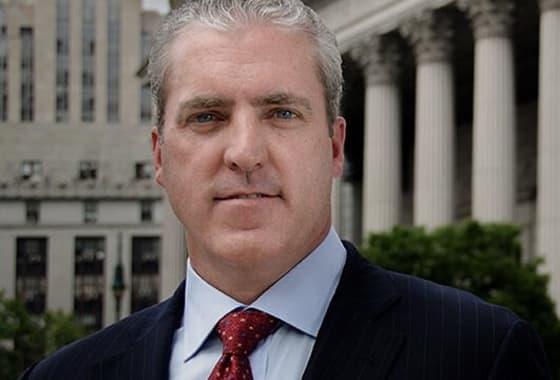
As the founding partner of Williams Law Firm, Joseph P. Williams has dedicated over 30 years to representing mesothelioma victims and their families. His firm has recovered hundreds of millions of dollars for those affected by asbestos exposure, offering personalized, aggressive legal advocacy. Based in New York, Williams Law Firm provides free consultations and handles cases nationwide.
